
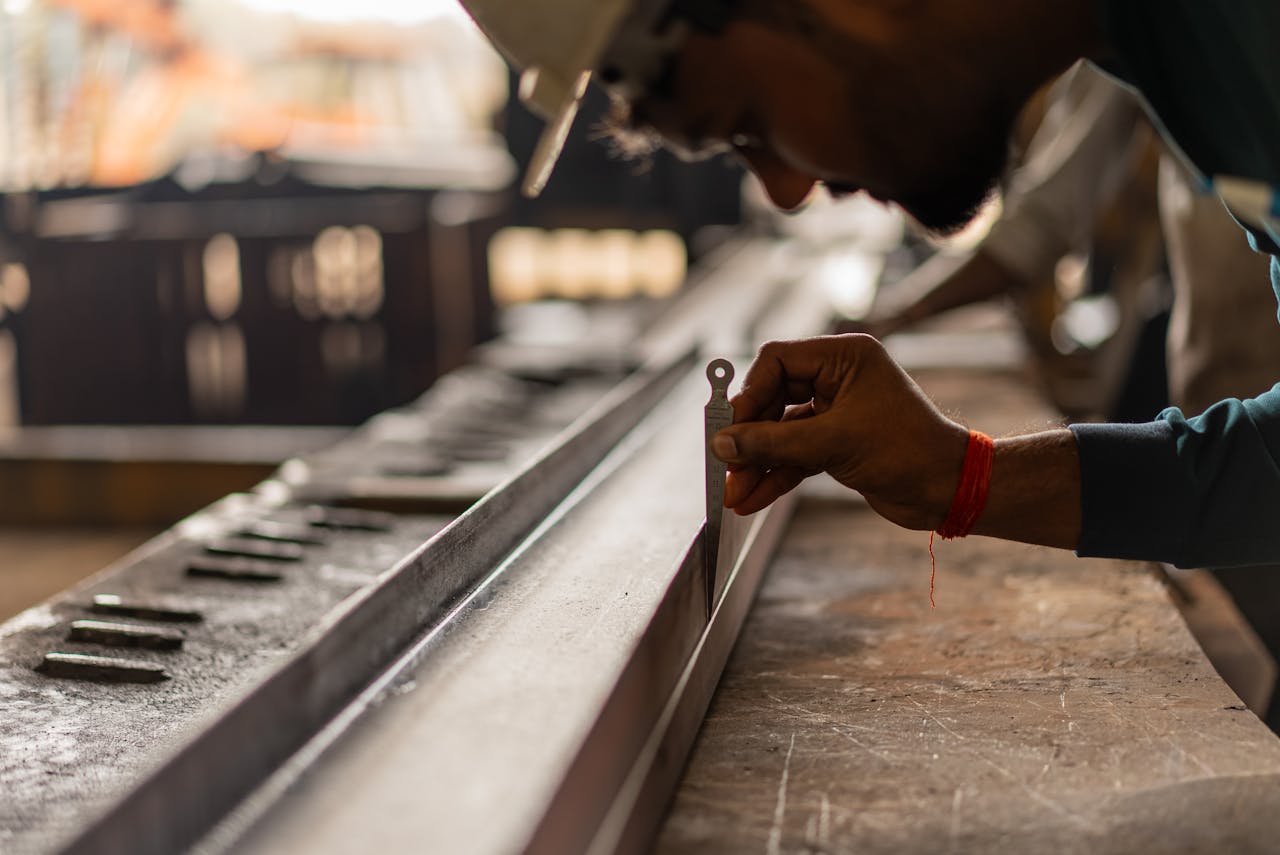
Custom metal finishing Los Angeles services can completely transform how a product looks, feels, and performs over time.
I learned this the hard way after ordering a batch of steel components that looked perfect on paper but started corroding within weeks.
That experience pushed me to understand what really goes into finishing processes and why choosing the right provider matters.
Why finishing matters more than you think
Metal finishing is not just about appearance.
It affects durability, corrosion resistance, electrical conductivity, and even how a product is perceived by customers.
I once worked with a small automotive parts supplier who upgraded from basic coating to precision plating, and their product returns dropped dramatically within months.
That shift alone justified the higher upfront cost, especially after reviewing options like custom metal finishing Los Angeles that clearly showed the difference in performance and longevity.
Common finishing methods you’ll encounter
There are several techniques used depending on the application and material.
Each method has a specific purpose and outcome.
- Electroplating for corrosion resistance and conductivity.
- Powder coating for durability and uniform coverage.
- Anodizing for aluminum protection and aesthetics.
- Polishing for smooth, reflective surfaces.
- Passivation for stainless steel longevity.
Understanding these options helps you ask better questions before hiring a provider.
How to evaluate a finishing service provider
Not all finishing shops operate at the same level.
Some focus on high-volume jobs, while others specialize in precision or custom work.
Look at process control
A reliable provider will have strict quality control measures in place.
This includes consistent bath chemistry, temperature regulation, and inspection protocols.
I once toured a facility where every batch was logged and tracked, which gave me immediate confidence in their process.
Ask about material compatibility
Different metals react differently to finishing treatments.
A provider should explain how your material will behave during processing.
If they give vague answers, that is usually a red flag.
Check turnaround time realistically
Fast turnaround sounds great, but it often comes at the expense of quality.
In one project, I chose speed over precision and ended up with uneven coating that required rework.
That delay cost more than waiting a few extra days would have.
Understanding cost versus value
Pricing for custom finishing can vary widely.
The cheapest option is rarely the best long-term choice.
What influences pricing
Several factors impact cost:
- Type of finishing process.
- Material complexity.
- Surface preparation requirements.
- Volume of parts.
- Quality standards and certifications.
I once compared two quotes that were miles apart in price.
The cheaper one skipped key prep steps, which explained the difference immediately.
Real-world example from a buyer perspective
A friend of mine runs a small electronics business and needed conductive plating for connectors.
His first supplier delivered inconsistent thickness, which caused performance issues.
After switching to a more experienced provider, the consistency improved and product reliability increased significantly.
That experience highlights how finishing is not just a cosmetic step but a functional necessity.
Key questions to ask before hiring
Walking into a conversation prepared can save time and money.
Questions that reveal expertise
- What finishing method do you recommend for my application and why.
- How do you ensure consistency across batches.
- What quality standards or certifications do you follow.
- Can you provide samples or case studies.
- What is your process for handling defects or rework.
These questions quickly separate experienced providers from those who are just processing orders.
Red flags to watch out for
Some warning signs are easy to miss if you are new to this space.
- Lack of clear communication about processes.
- No documented quality control system.
- Unrealistically low pricing.
- Inconsistent timelines or vague delivery estimates.
I once ignored these signs because the quote looked attractive, and it ended up costing double due to rework.
The importance of surface preparation
Surface prep is often overlooked but plays a critical role in the final outcome.
Without proper cleaning and treatment, even the best coating will fail.
What good prep looks like
- Removal of oils and contaminants.
- Proper etching or blasting.
- Consistent surface texture.
- Inspection before finishing.
In one project, improving prep alone increased coating adhesion by a noticeable margin.
How finishing impacts product lifespan
A well-finished part can last years longer than an untreated one.
This is especially important in industries like automotive, aerospace, and electronics.
I remember comparing two identical parts, one finished properly and one not.
After exposure to harsh conditions, the untreated part degraded quickly while the finished one held up with minimal wear.
Choosing the right partner for long-term success
Finding the right finishing provider is not just about one project.
It is about building a relationship that supports your product over time.
What to prioritize
- Consistency in results.
- Clear communication.
- Technical knowledge.
- Willingness to collaborate.
A good provider will act more like a partner than a vendor.
Final thoughts from experience
If there is one thing I have learned, it is that finishing should never be an afterthought.
It directly impacts product quality, customer satisfaction, and long-term costs.
Taking the time to choose the right service can prevent costly mistakes and ensure your product performs exactly as intended.
When you approach the process with the right questions and expectations, you set yourself up for better results and fewer surprises.